Allea Mikou: The Script Font That Elevates Small Business Branding
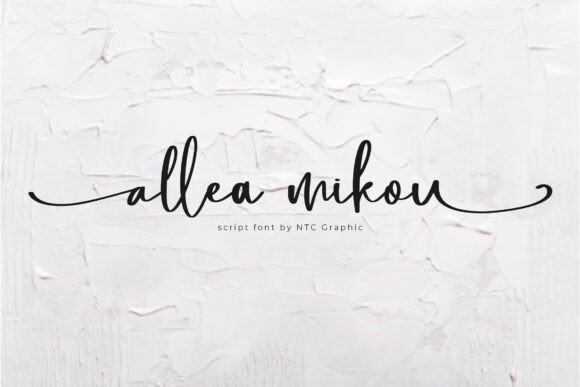
Last Tuesday, I found myself staring at a stack of plain white bakery boxes that felt entirely too generic for the artisan sourdough and lavender honey cakes we were about to launch. The logo was there, printed in a standard sans serif font that screamed "efficient" but whispered nothing about the warmth and care put into every loaf. It was a classic small business dilemma: the product was premium, but the packaging looked like it came from a discount bin. That is when I decided to refresh our visual identity with Allea Mikou, a stunning script font designed with a handbrush style that immediately changed the conversation.
As a creative consultant who works frequently with handmade sellers and boutique owners, I have seen firsthand how the right typeface can transform a brand from forgettable to unforgettable. Allea Mikou is not just a set of letters; it is a personality injection for your business. When you are competing in crowded markets like Etsy, local farmers' markets, or Instagram feeds, your typography acts as the voice of your brand before a customer even touches your product. This particular script font brings a level of elegance and human touch that digital perfection often lacks.
Why Handbrush Style Matters for Product Labels
The moment I applied Allea Mikou to our new label designs, the difference was palpable. Unlike rigid geometric fonts, this premium font mimics the natural flow of a brush stroke. It has varying thicknesses and organic curves that suggest movement and artistry. For a business selling handmade goods, this visual cue is critical. It tells the customer, "A human made this with care," rather than "A machine stamped this out."
We tested the font on various materials, from kraft paper stickers to glossy jar labels for our candle line. The unique character shapes in Allea Mikou ensure that even short words like "Love," "Fresh," or "Handmade" stand out as decorative accents. However, readability is always a concern with display fonts. In my experience, this typeface shines brightest when used for headlines, logos, and packaging titles. It is less suitable for long paragraphs of ingredient lists or terms of service, where a clean sans serif font or a legible serif font should take over to ensure clarity on small labels or mobile screens.
Building a Consistent Brand Identity Across Channels
One of the biggest challenges for entrepreneurs is maintaining consistency. Your Instagram stories, your website banner, your thank-you cards, and your physical storefront all need to feel like they belong to the same family. Allea Mikou serves as a versatile anchor for this brand identity. Because it carries so much personality, you can use it sparingly but effectively across different touchpoints.
For example, we used the font for the main header on our online shop banner, pairing it with a simple, modern modern typography style for the navigation menu. This created a hierarchy that guided the eye naturally. On social media graphics, we used Allea Mikou for promotional quotes and sale announcements. The handbrush style stops the scroll because it feels personal and inviting, unlike the cold, corporate fonts often used in digital ads. When customers received their orders, the thank-you cards printed with this creative font felt like a handwritten note, fostering a deeper emotional connection and encouraging repeat business.
Practical Tips for Font Pairing and Usage
If you are considering adding Allea Mikou to your design assets, here is how to get the most out of it without overwhelming your audience. The key to great editorial design and packaging design is balance. Since this script is bold and expressive, pair it with something neutral.
- For Cleanliness: Pair with a light weight sans serif font like Montserrat or Lato for body text on menus or websites.
- For Elegance: Combine with a classic serif font like Playfair Display for high-end beauty brands or wedding invitations.
- For Contrast: Use it against a textured background or a solid color block to make the brush strokes pop on flyers and posters.
Remember that Allea Mikou is primarily a display font. It works best in larger sizes where the details of the brush strokes can be appreciated. If you are designing for a small candle jar or a jewelry tag, ensure the text is large enough to remain legible. Avoid using it for complex URLs or phone numbers where confusion between characters could lead to lost customers.
Making the Switch: What to Check Before You Buy
Before you download and start redesigning your entire catalog, there are a few practical steps every business owner should take. First, verify the file formats included. Most professional commercial font packages come in OTF or TTF formats, which work seamlessly with design software like Adobe Illustrator, Photoshop, and Canva. Check if the font includes alternates or ligatures; these features allow you to swap out specific characters to create a more custom look for your logo design, ensuring no other brand looks exactly like yours.
Secondly, always review the licensing agreement. If you plan to use Allea Mikou on products you intend to sell, such as printed t-shirts, mugs, or digital templates for clients, you must ensure you have the appropriate commercial license. Many designers mistakenly use personal licenses for business projects, which can lead to legal issues down the road. A proper license protects your business and supports the type designer.
Finally, consider multilingual support if you have an international customer base. While many script fonts are limited to basic Latin characters, checking for extended language support can open up new markets for your web design and global shipping efforts.
Updating your branding with a tool like Allea Mikou is more than just a cosmetic change; it is a strategic move to align your visual presence with the quality of your work. Whether you are a café owner refreshing your menu, a coach updating your workbook covers, or a crafter creating new hang tags, the right handwritten font can bridge the gap between your passion and your customer's perception. By choosing a typeface with soul, you invite your audience to see the person behind the brand, turning casual browsers into loyal fans.